1. Describe what you found
Tell the team about syringes, powders, stains or smells. You do not need to explain why they are there.
Niceville, FL · Okaloosa County
Business owners in Niceville who find syringes in a restroom or storeroom can call (877) 812-4220. A cleanup team can remove sharps and residue and clean the room before it reopens.
If anyone is in danger, call 911 first. For a suicide crisis, call or text 988.
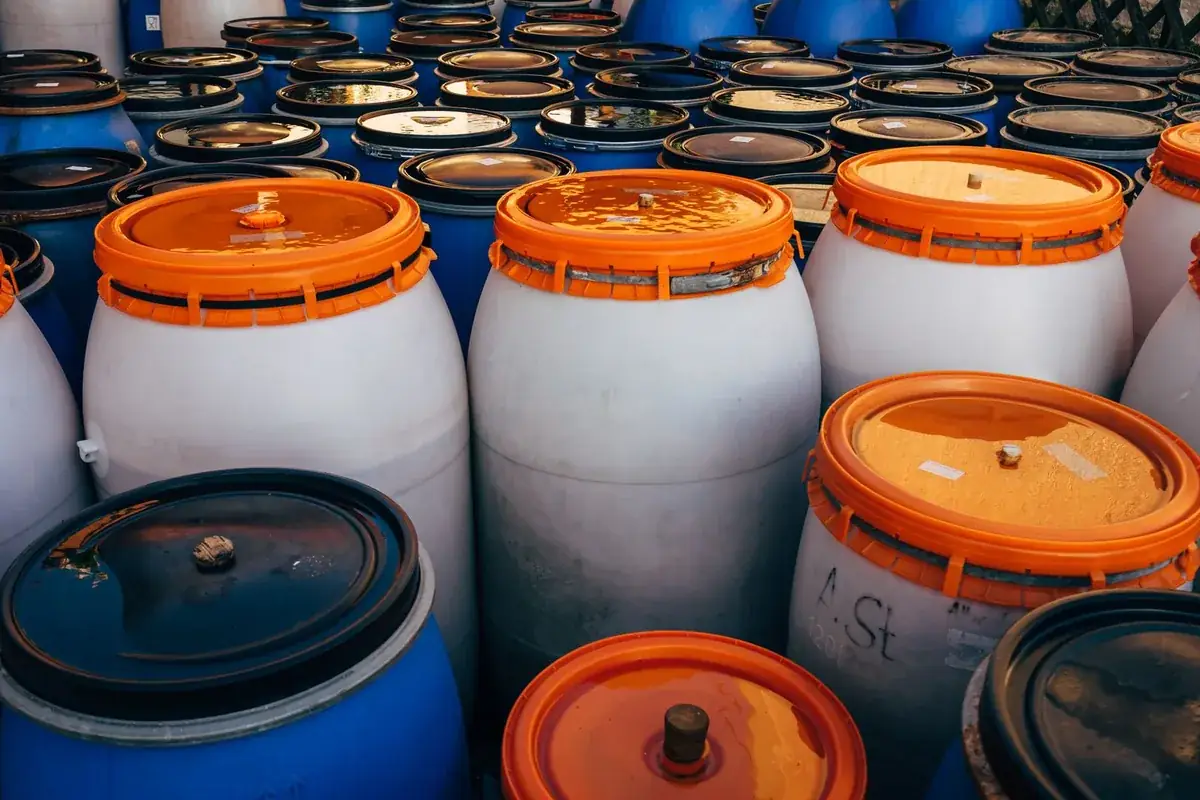
Biohazard cleanup for drug use covers removal of contaminated items, decontamination of surfaces, disposal of soft materials that cannot be cleaned and treatment of lingering odor.
If you are unsure whether your space in Niceville needs cleaning, you can talk with Niceville Biohazard Cleanup Help about it in Okaloosa County. The team helps sort out what is paraphernalia cleanup and what may call for more testing.
Most homes in Niceville are owner occupied, with renters at only about 26% of households, so many calls come from families clearing a home or room. Tell the doctor where the exposure happened. HCA Florida Twin Cities Hospital, about 2 miles from Niceville, can evaluate people who may have been exposed.
The work often covers:
Tell the team about syringes, powders, stains or smells. You do not need to explain why they are there.
Needles and other sharps are lifted and sealed before anything else is moved.
Floors, furniture and fixtures are cleaned. Porous materials that hold residue are cut out or removed.
A last pass checks for missed items, and the owner receives guidance on next steps.
The cost of drug paraphernalia cleanup in Niceville, FL depends on the amount of material, how it is packed and how it is hauled.
How many items and sharps are present changes the scope, because each needle has to be found, lifted and sealed.
| Type of job | Typical range |
|---|
Estimates only, not a quote. Sources: . Price drivers include amount of material, whether residue is present, surfaces affected, waste disposal. Call (877) 812-4220 to talk through the job.
The price depends on the number of rooms and items, how much soft material must go, odor treatment, travel and access. A cleanup team can give a real price after hearing the details and should explain what is included before work begins.
No. This page explains how drug paraphernalia cleanup works. It is not medical, legal or insurance advice. For symptoms, contact a doctor or Poison Control, and for legal questions, ask an attorney.
No. Drug paraphernalia cleanup removes used items and cleans surfaces. A site where drugs were made is a different job with its own testing and clearance steps. If you think drugs were made in the home, say so when you call.
Police and the city do not usually clean the space afterward. The owner or the family books the cleanup once the scene is released. A cleanup team can work after the release and explain the steps. Ask the agency when the space is cleared.
Keep them out of affected rooms until a cleanup team has finished. Children and pets are closest to floors and furniture and are most at risk from residue. If a child or pet touches or swallows something, call Poison Control or a veterinarian.
No. A good team asks only what it needs to plan the work, and you decide what to share. If privacy matters, ask about discreet, unmarked arrival when you call. Teams differ, so ask how the call and the visit are handled.
One call can start the cleanup of a room, a rental unit or a whole home.
Call (877) 812-4220